

 English
 French Canadian

How to Avoid Costly Mistakes When Undercoating Your Truck
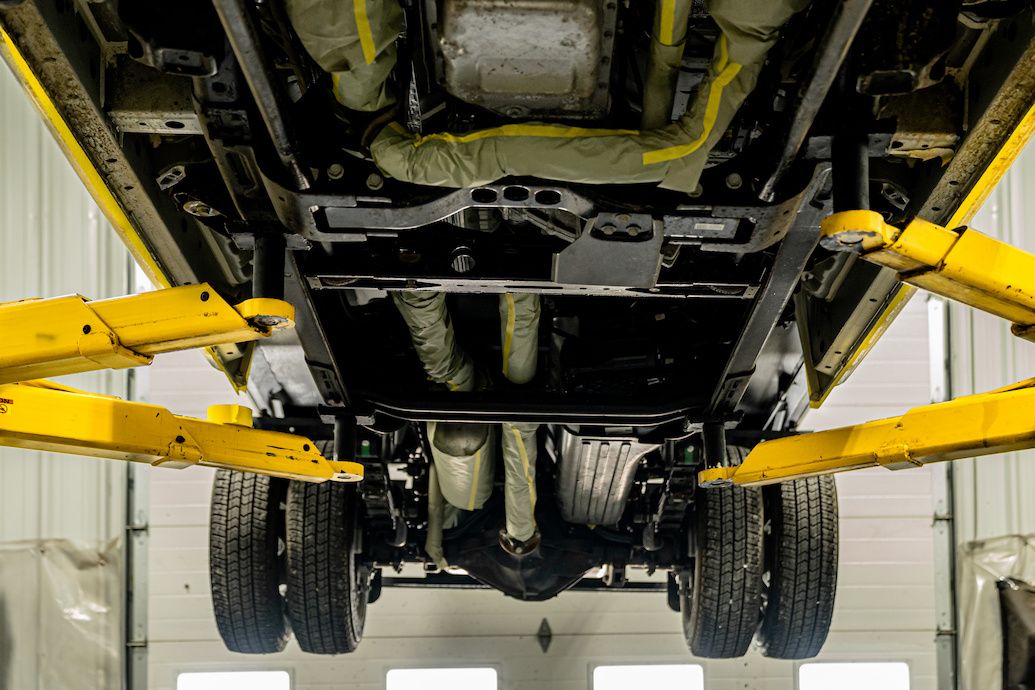
Undercoating your truck is one of the smartest ways to protect your vehicle from the harsh realities of the road—but make one wrong move, and you could be facing a costly repair bill. Whether you’re battling rust from salty winter roads or shielding your truck from dirt and moisture on rugged trails, undercoating is your truck’s best defense. But before you start spraying, you need to know where not to coat. Getting it wrong can do more harm than good, leading to major safety issues and expensive repairs.
In this guide, we’ll take you through the 7 critical areas to avoid when undercoating your truck and why trusting the professionals at LINE-X can give you the peace of mind you need.
Types of Undercoating
Each type of undercoating offers different levels of protection, so it’s important to choose the right one for your truck. Here are the most common types:
Rubberized Undercoating: Popular for off-roading, it’s flexible, durable, and resists moisture.
Wax-Based Undercoating: A temporary solution that repels moisture but needs frequent reapplication.
Asphalt-Based Undercoating: Thick and tough, often used for heavy-duty trucks in extreme conditions.
Polyurethane Undercoating: Great for sealing cracks but less durable overall.
Choosing the right type of undercoating is key—but even more important is applying it correctly. Now, let’s focus on the areas you absolutely should not spray when undercoating your truck.
7 Areas Not to Spray When Undercoating Your Truck
1. Brake Components
This might seem obvious, but it's crucial to mention: your brake components are no place for undercoating. Spraying these parts can reduce their efficiency and even lead to brake failure. Brake pads, rotors, and calipers are designed to operate under high friction and heat, so coating them with a sticky, rubbery substance can seriously compromise their performance.
What happens if you spray the brakes?
Poor stopping power: Undercoating can coat your rotors and pads, creating a barrier that reduces friction between the two.
Increased wear and tear: If the brake components are coated, they may wear unevenly, leading to costly replacements sooner than necessary.
2. Exhaust and Engine
Undercoating is designed to protect metal, but it should never be applied to your truck’s exhaust system or engine components. Your engine and exhaust generate significant heat, and undercoating these areas can lead to unwanted chemical reactions. The material may melt, burn off, or cause dangerous fumes to be released.
What happens if you spray the exhaust or engine?
Risk of fire: Applying undercoating to high-temperature parts like the exhaust can cause the coating to ignite.
Clogged parts: Coating your engine’s smaller components can lead to blockages that prevent your truck from functioning properly.
3. Rubber Components
Spraying undercoating on rubber seals, bushings, or hoses is a big no-no. These parts are designed to flex and move, and coating them can compromise their elasticity. Over time, the rubber could crack, split, or become brittle, leading to leaks and failures.
What happens if you spray rubber components?
Loss of flexibility: Rubber needs to maintain its ability to flex. A coating that stiffens it will cause it to crack under stress.
Deterioration: Undercoating chemicals can break down rubber, leading to expensive replacements.
4. Sensors and Cameras
In today’s world of high-tech trucks, your vehicle is equipped with sensors, cameras, and other electronics to help you navigate the road. Spraying undercoating over these delicate components will interfere with their function and could result in malfunctioning parking sensors, backup cameras, or even collision avoidance systems.
What happens if you spray sensors and cameras?
Interference with electronics: Undercoating can block signals, making sensors unreliable.
Reduced visibility: Spraying over your cameras will blur the lens, making it impossible to see clearly while reversing.
5. Driveshaft
Your truck’s driveshaft is essential for transmitting power from the engine to the wheels, and while it might seem like a prime candidate for undercoating, it’s actually best to leave it alone. Applying undercoating can throw off the balance of the driveshaft, leading to vibrations, noises, and eventual wear.
What happens if you spray the driveshaft?
Imbalanced driveshaft: Undercoating adds weight in the wrong places, which can cause the driveshaft to become misaligned.
Increased maintenance costs: An imbalanced driveshaft leads to ongoing vibration and noise, forcing you into the shop for repairs far too often.
6. Tires
While it might sound strange, some people have been known to spray undercoating on their tires, thinking it offers extra protection from the elements. However, undercoating your tires is a terrible idea. Tires need to remain flexible for traction, and coating them with a substance that hardens over time can severely reduce their grip and cause them to wear out more quickly.
What happens if you spray the tires?
Dangerous handling: Slick tires dramatically reduce your ability to control your truck in wet or icy conditions, increasing the risk of accidents.
Premature tire wear: The wrong coating will accelerate the breakdown of your tires, meaning you’ll have to replace them sooner.
7. Suspension Components
Your truck’s suspension is designed to move freely, absorbing shocks and bumps in the road. Spraying undercoating on your suspension components can prevent them from working properly by adding unwanted stiffness and restricting movement. This can lead to a rougher ride and potential suspension failure.
What happens if you spray suspension components?
Compromised performance: Suspension parts are meant to move. Coating them can cause them to stick, leading to reduced comfort and control.
Faster wear: When suspension components can’t move as they should, they wear down faster, leading to more frequent replacements.
Protect Your Truck with a Professional Undercoating from LINE-X
Don’t risk rust damaging your truck. The experts at your local LINE-X shop ensure your truck gets the best defense against rust and corrosion, while leaving vital components untouched. With LINE-X, you’re not just getting undercoating—you’re getting peace of mind. Get a personalized quote today and drive confidently, knowing your truck is in expert hands.


